
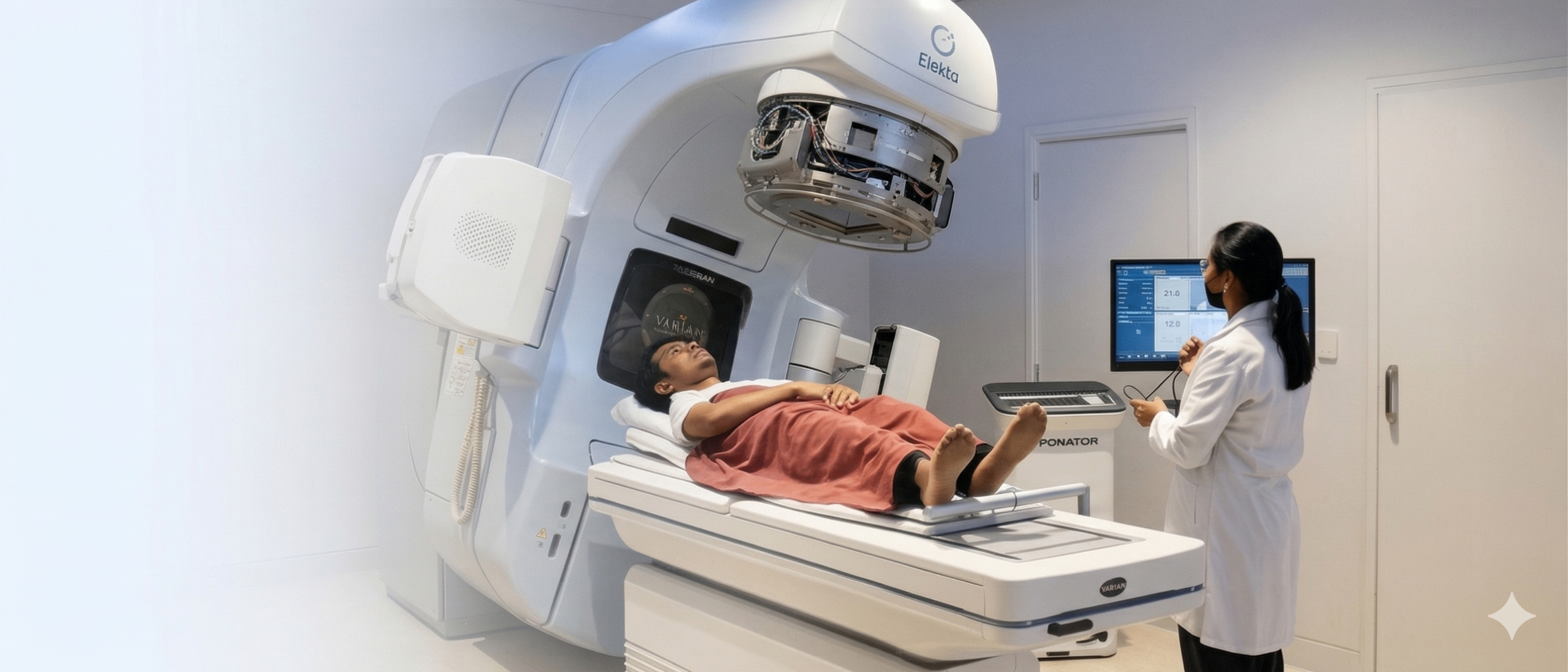
Radiation Therapy
Precise, high-energy treatment that destroys cancer cells while preserving healthy tissue.
Years Experience
IMRT/IGRT Techniques
Tumour Targeting
Understanding Radiation Therapy
Radiation therapy uses high-energy beams to damage the DNA of cancer cells, preventing them from growing and dividing. Modern radiation techniques allow us to target tumours with millimetre precision while minimising exposure to surrounding healthy tissue. At Jain Oncology, our team coordinates with expert radiation oncologists to integrate radiation seamlessly into your overall cancer treatment plan.
Types of Radiation Therapy
Advanced radiation techniques that target tumours with precision while protecting healthy tissue.
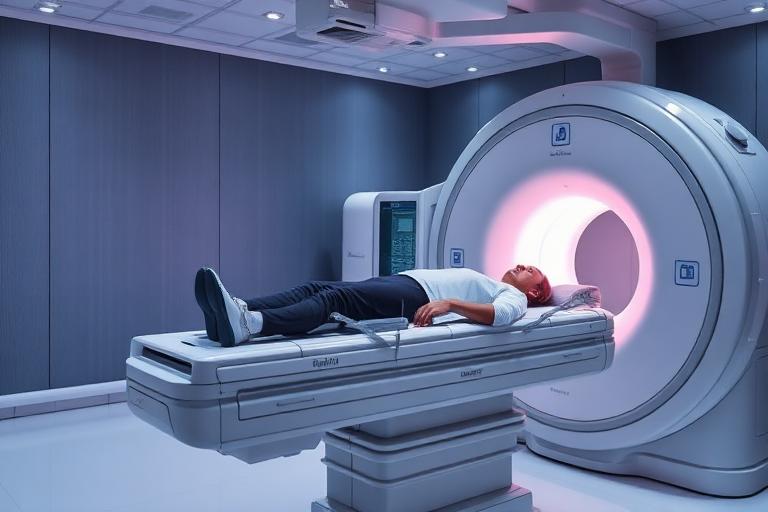
External Beam Radiation (EBRT)
High-energy X-rays precisely directed at the tumour from outside the body using advanced linear accelerators.
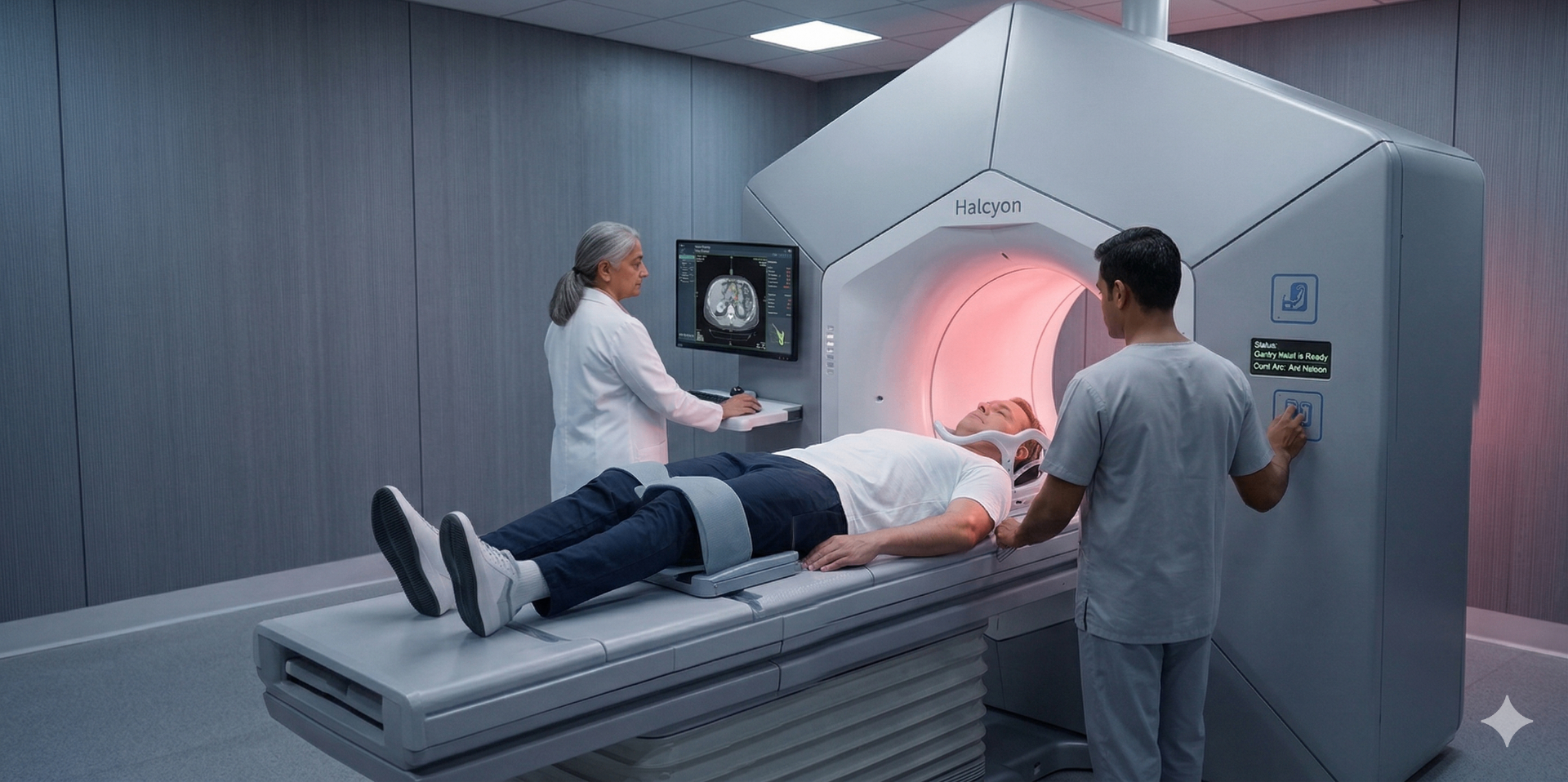
Intensity-Modulated Radiation (IMRT)
Shapes the radiation beam to match the tumour's contour, minimising damage to surrounding healthy tissue.
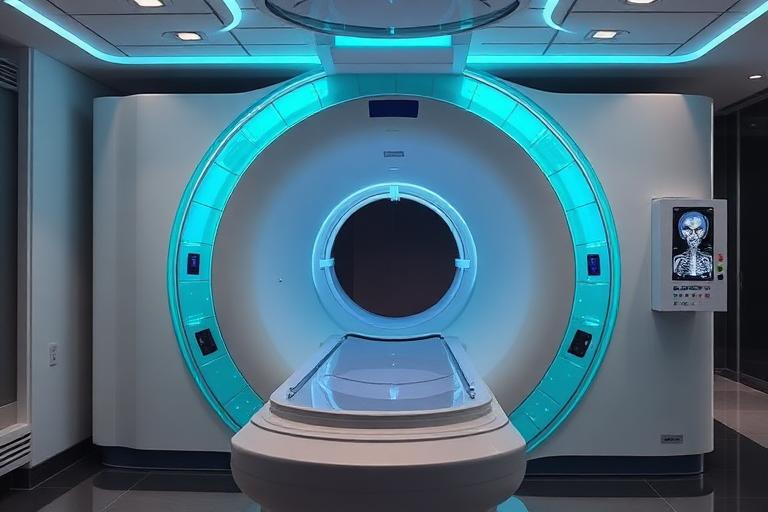
Image-Guided Radiation (IGRT)
Uses real-time imaging during treatment to adjust for tumour movement and ensure pinpoint accuracy.
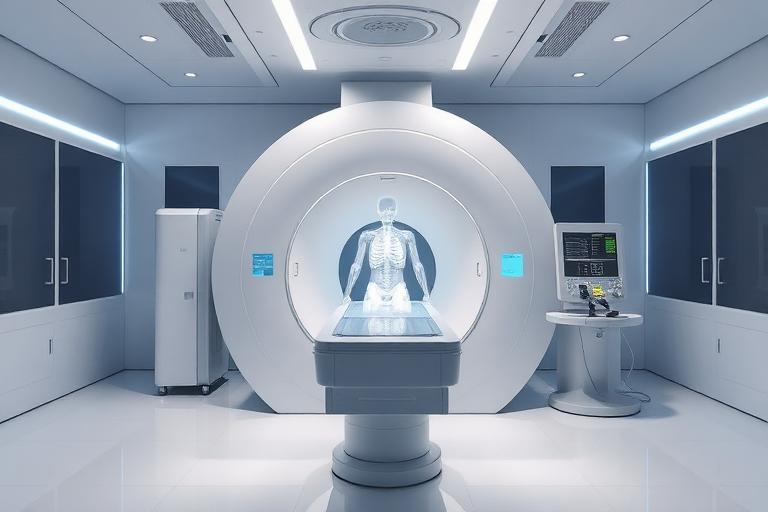
Stereotactic Body Radiation (SBRT)
Delivers very high doses in fewer sessions — ideal for small, well-defined tumours in the lung, liver, or spine.
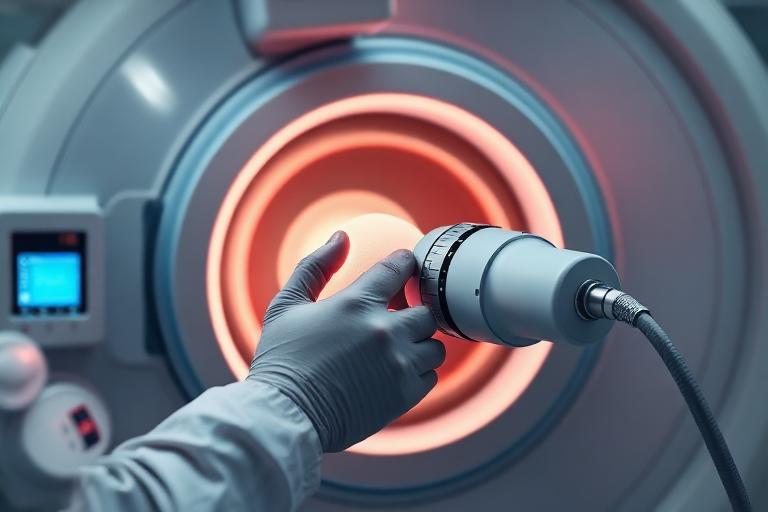
Brachytherapy
Radioactive sources placed directly inside or next to the tumour — commonly used in cervical and endometrial cancers.
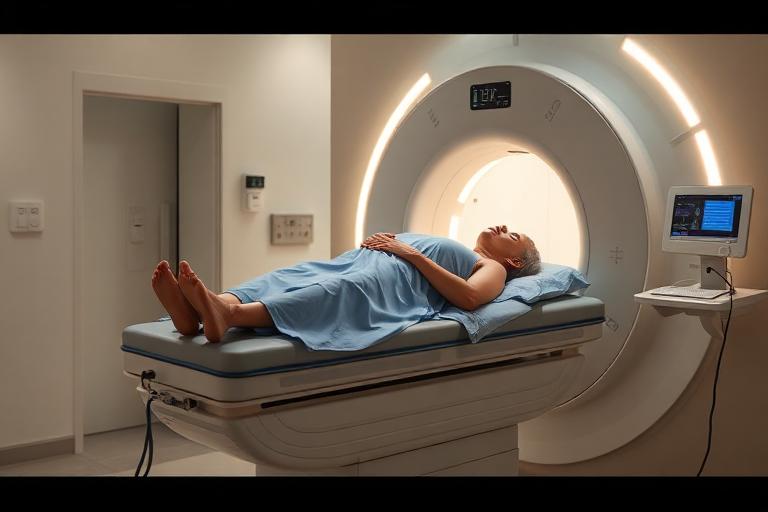
Palliative Radiation
Short-course radiation to relieve pain, bleeding, or obstruction caused by advanced cancers.
When Radiation Is Used
- After surgery (adjuvant) to eliminate residual microscopic cancer cells
- Before surgery (neoadjuvant) to shrink tumours for easier removal
- As primary treatment when surgery isn't feasible
- Combined with chemotherapy (chemoradiation) for synergistic effect
- For palliation — relieving bone pain, brain metastases, or bleeding
- Post-lumpectomy in breast cancer to prevent local recurrence
What to Expect
- Treatment planning with CT simulation — a one-time session
- Custom immobilisation devices made for precise positioning
- Daily sessions lasting 15–30 minutes, 5 days a week
- Typical course: 3–7 weeks depending on cancer type and intent
- Painless procedure — you won't feel the radiation
- Regular weekly reviews with your radiation oncologist
Why Choose Jain Oncology
- Coordinated care with top radiation oncology centres
- Optimal sequencing of radiation with surgery and chemo
- Multidisciplinary tumour board for treatment planning
- Proactive management of radiation side effects
- Regular follow-up and response assessment
- Patient education and emotional support throughout
Frequently Asked Questions
Need Radiation Therapy as Part of Your Treatment?
Consult with our expert team to understand how radiation fits into your personalised cancer treatment plan.