
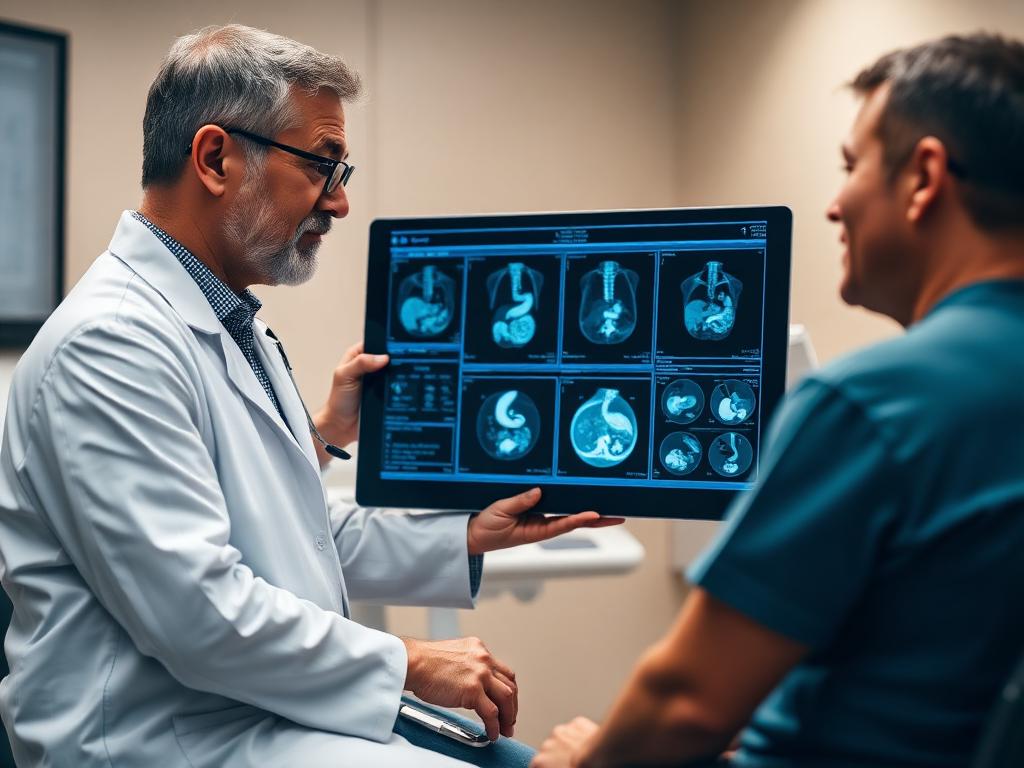
GI Cancers
Expert, multidisciplinary care for stomach, colon, rectal, liver, pancreatic, and oesophageal cancers — from screening to survivorship.
15+
Years Experience
15K+
Patients Treated
10+
Countries Served
Understanding Gastrointestinal Cancers
Gastrointestinal (GI) cancers encompass a wide range of conditions affecting the digestive tract — from the oesophagus to the rectum, including the stomach, liver, pancreas, and gallbladder. At Jain Oncology, our team brings extensive surgical oncology expertise to GI cancer management, offering advanced laparoscopic and open surgical approaches combined with modern chemotherapy, targeted therapy, and immunotherapy protocols tailored to each patient's unique tumour biology.
Diagnosis & Staging
Accurate diagnosis through endoscopy, advanced imaging, and molecular profiling is the foundation of effective GI cancer treatment
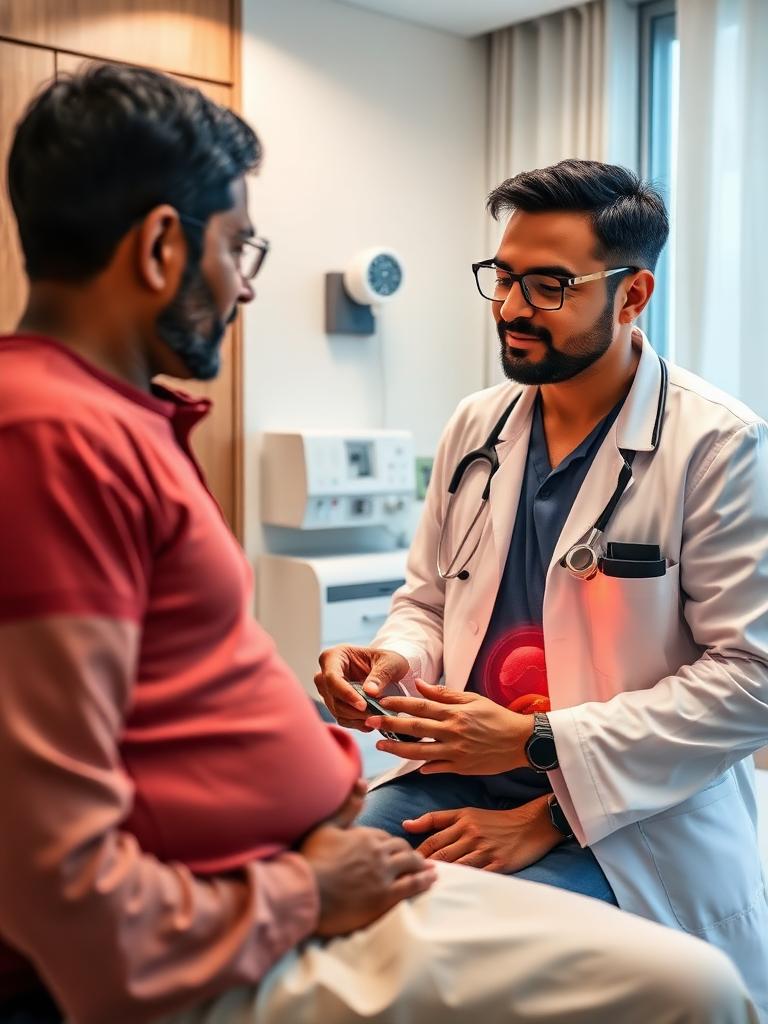
Clinical Assessment
Detailed history of symptoms, dietary habits, family history, and physical examination including digital rectal exam and abdominal palpation.
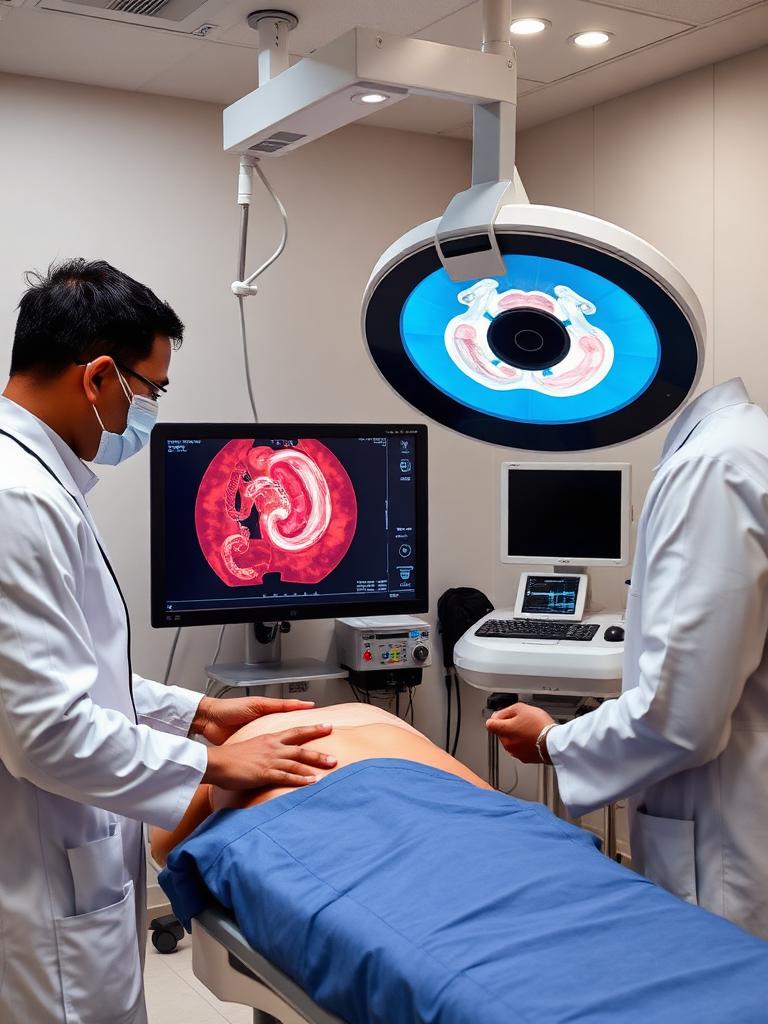
Endoscopy & Colonoscopy
Upper GI endoscopy, colonoscopy, or capsule endoscopy to directly visualise the digestive tract, take biopsies, and identify precancerous lesions.
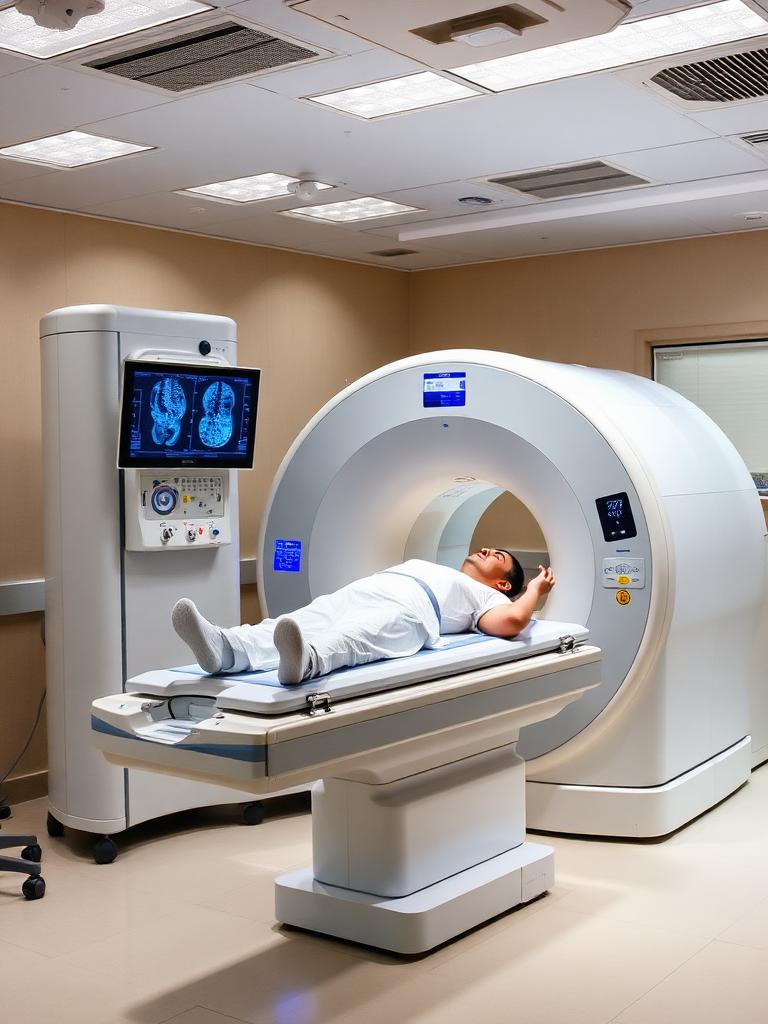
Advanced Imaging
CT scan, MRI (especially for rectal and liver cancers), PET-CT, and endoscopic ultrasound (EUS) to determine tumour extent, lymph node involvement, and metastases.
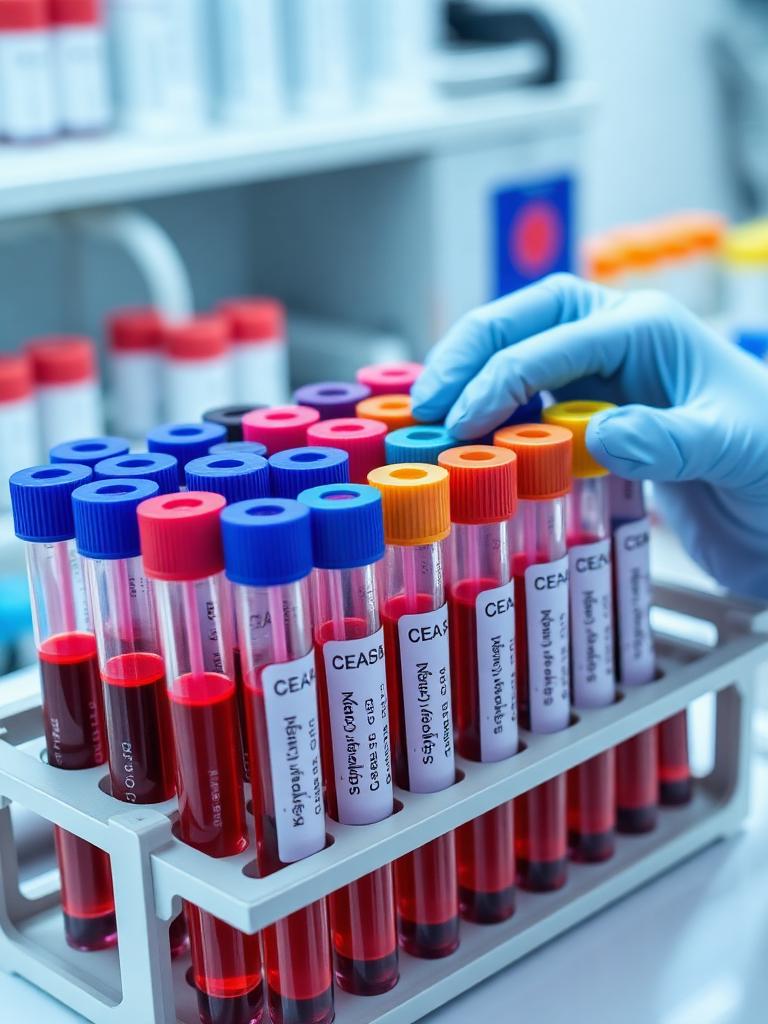
Tumour Markers & Molecular Testing
CEA, CA 19-9, AFP blood tests plus microsatellite instability (MSI), KRAS/NRAS/BRAF, and HER2 testing to guide treatment decisions.
Symptoms to Watch
Persistent abdominal pain, cramping, or bloating
Changes in bowel habits — diarrhoea, constipation, or narrowing of stool
Blood in stool (bright red or dark/tarry stools)
Unexplained weight loss, fatigue, and loss of appetite
Difficulty swallowing (dysphagia) or persistent heartburn
Jaundice — yellowing of skin and eyes (liver, bile duct, pancreatic cancers)
Risk Factors
Age over 50 (risk increases significantly with age)
Diet high in processed meats, red meat, and low in fibre
Chronic conditions — inflammatory bowel disease (IBD), Barrett's oesophagus, chronic hepatitis
Family history of GI cancers or hereditary syndromes (Lynch syndrome, FAP)
H. pylori infection (stomach cancer), Hepatitis B/C (liver cancer)
Obesity, heavy alcohol consumption, and tobacco use
Treatment Approaches at Jain Oncology
Every treatment plan is tailored to your tumour biology, stage, and personal preferences.
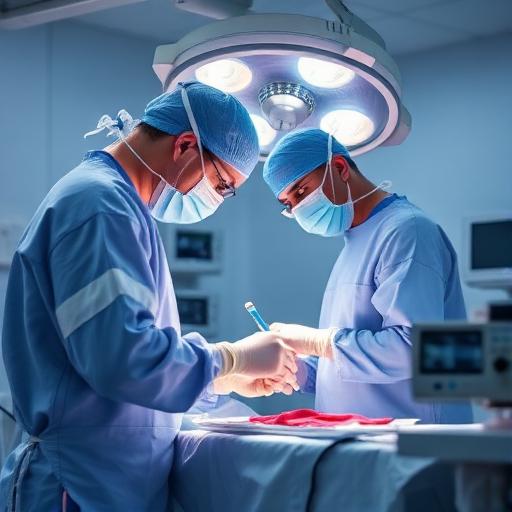
Surgery
Removing the Tumour Safely
- Removal of the affected part of the colon, stomach, or other organ
- Specialised procedures for pancreatic and liver tumours
- Minimally invasive (keyhole) surgery for faster recovery when possible
- Liver surgery for cancer that has spread to the liver
- Careful removal of nearby lymph nodes to check for cancer spread
💡 Our team specialises in complex digestive system surgeries with outcomes matching the best centres in India.

Chemotherapy
Medicines to Fight Cancer
- Given before surgery to shrink tumours for easier removal
- Given after surgery to destroy any remaining cancer cells
- Drug combinations chosen based on your specific cancer type
- Modern medicines help manage side effects effectively
- Regular monitoring with scans and blood tests during treatment
💡 We use the latest proven drug combinations, carefully balancing effectiveness with manageable side effects.
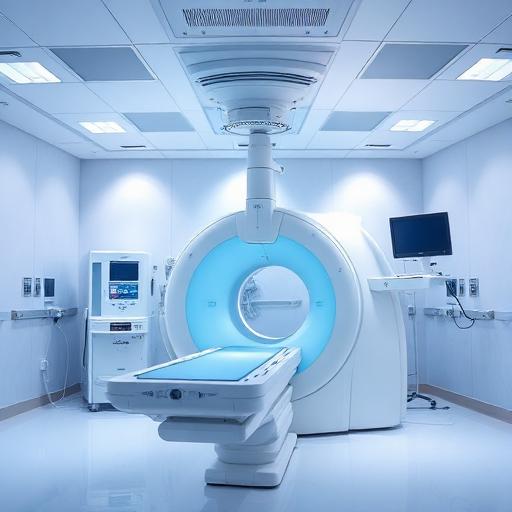
Radiation Therapy
Targeted Energy Treatment
- Used before surgery for rectal cancer to shrink the tumour
- Shorter treatment courses now available with same results
- Precisely targets cancer in the liver or pancreas
- May be used after surgery in certain stomach cancers
- Helps control pain and bleeding in advanced cases
💡 In some rectal cancer patients, radiation can shrink the tumour so much that surgery may not even be needed.
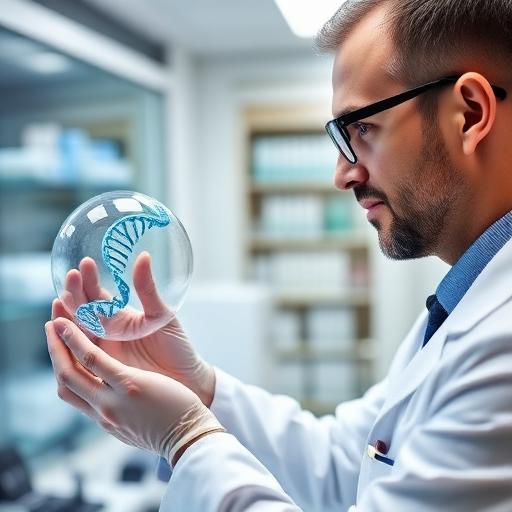
Targeted Therapy
Precision Medicines for Your Cancer
- Drugs that specifically attack cancer cells without harming normal cells
- Used for colorectal, stomach, and liver cancers based on test results
- Genetic testing helps identify the best medicine for you
- Often combined with chemotherapy for better results
- Newer options available for cancers that return after initial treatment
💡 Genetic testing of your tumour helps us choose the most effective targeted medicine for your specific cancer.
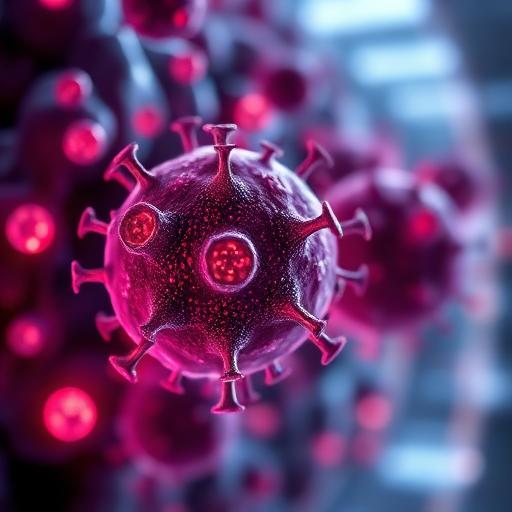
Immunotherapy
Boosting Your Body's Defence
- Helps your immune system recognise and fight cancer cells
- Special testing done to check if you're a good candidate
- Used for colorectal, liver, stomach, and food pipe cancers
- Some patients achieve long-lasting remission with immunotherapy
- Closely monitored throughout treatment for safety
💡 Certain types of colorectal cancers respond remarkably well to immunotherapy, with some patients achieving complete remission.

Nutritional & Supportive Care
Helping You Recover Better
- Personalised diet plans for during and after treatment
- Support for patients with feeding tubes or stoma bags
- Digestive enzyme supplements after pancreatic surgery
- Pain management for comfort throughout treatment
- Emotional support and counselling for you and your family
💡 Good nutrition plays a vital role in GI cancer recovery. Our dietitians create personalised plans to keep you strong.
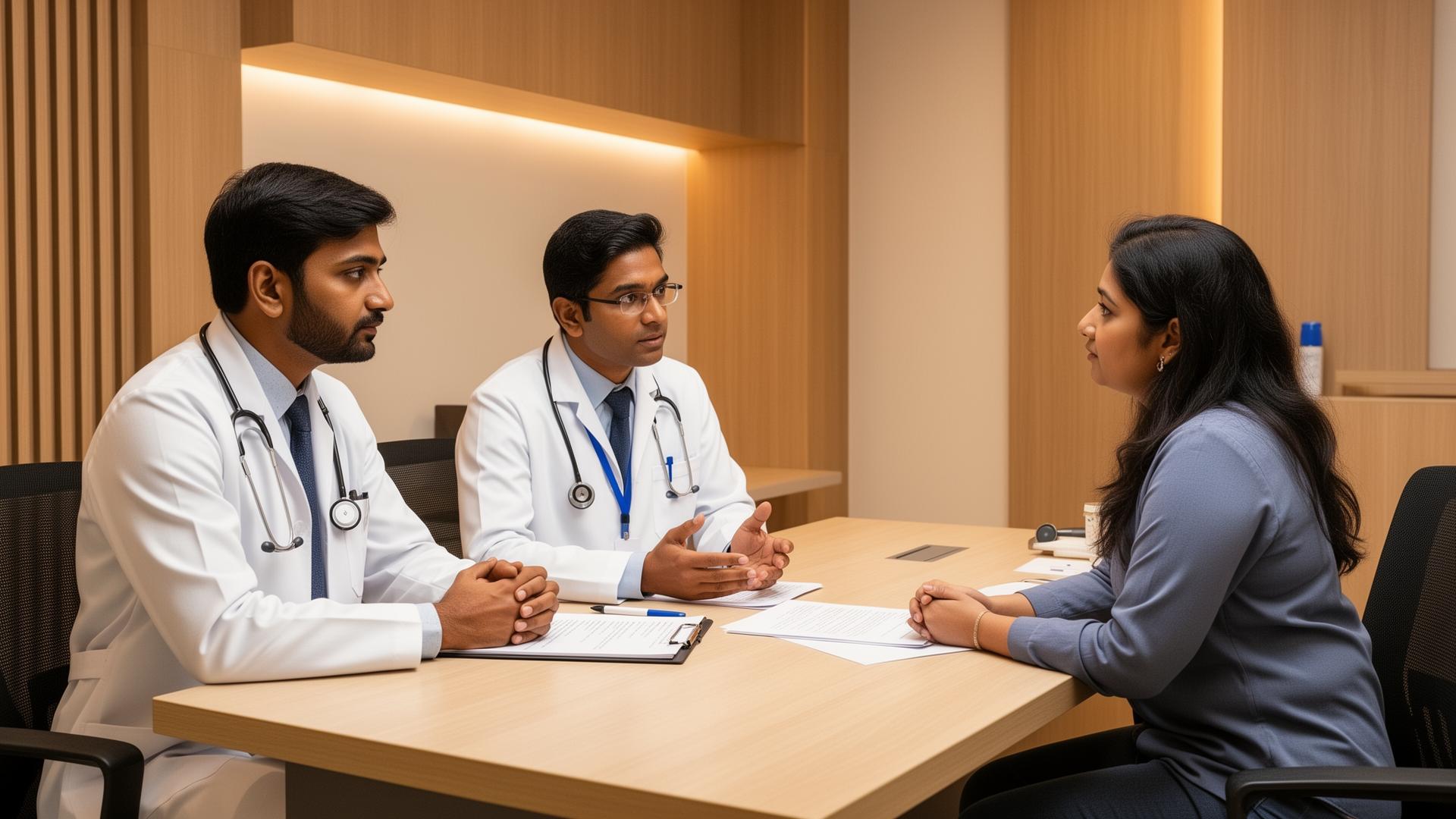
Coping & Support at Jain Oncology
GI cancers can significantly impact daily life. We provide comprehensive support to help you navigate treatment and recovery with confidence.
Dietary Guidance
Our nutritionists create personalised meal plans that work around your treatment schedule, managing symptoms like nausea, appetite changes, and dietary restrictions after surgery.
Emotional & Practical Support
From stoma management training to counselling services, we address the emotional and lifestyle adjustments that come with GI cancer treatment.
Surveillance & Prevention
After treatment, we establish a rigorous follow-up plan with colonoscopies, imaging, and tumour marker monitoring. We also screen family members for hereditary GI cancer syndromes.
Frequently Asked Questions
Take the First Step Toward Your Recovery
Schedule a consultation with our expert team to create your personalised gi cancers treatment plan.