
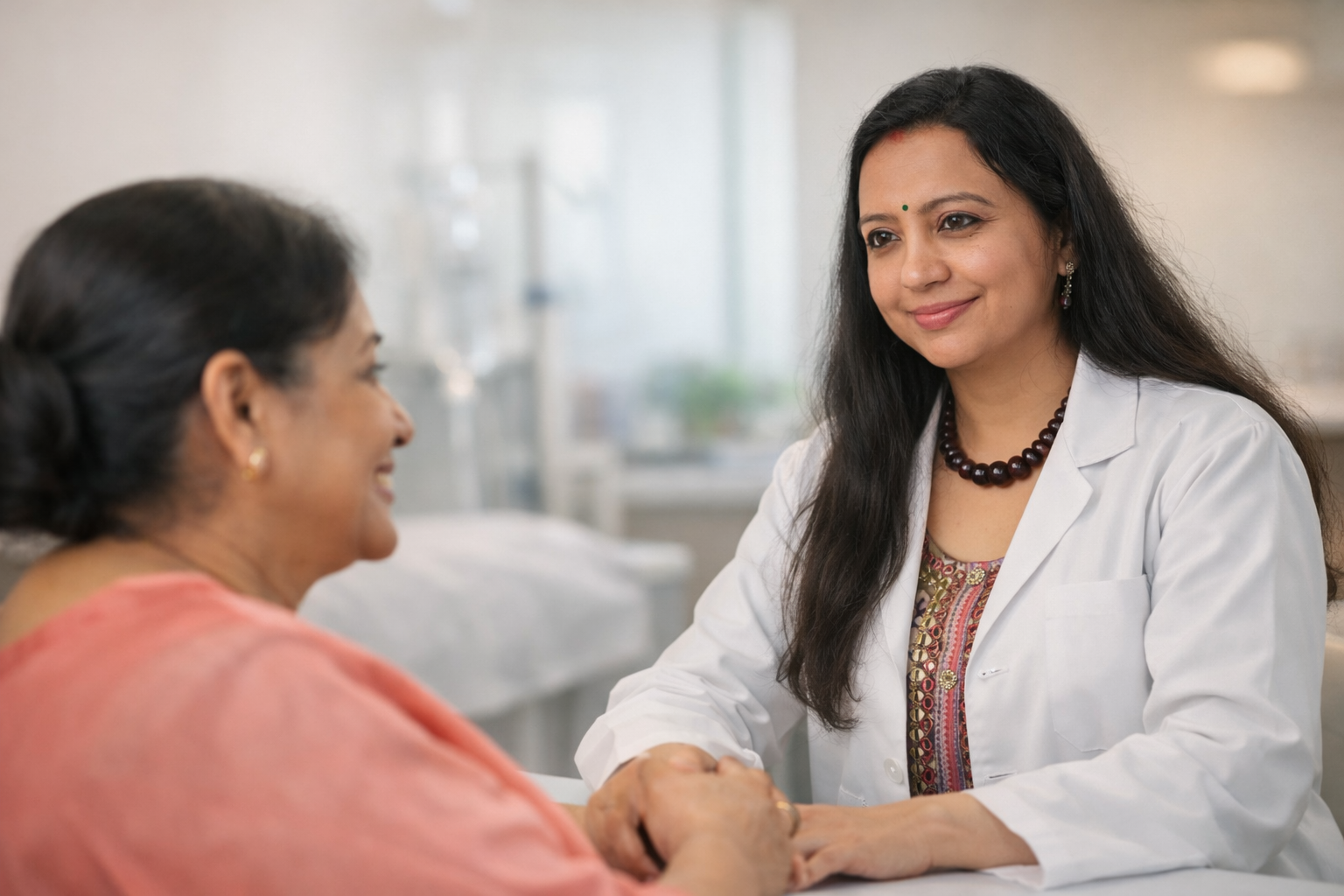
Breast Cancer
Comprehensive, personalised care for all stages of breast cancer — from early detection to advanced treatment and survivorship support.
15+
Years Experience
15K+
Patients Treated
10+
Countries Served
Understanding Breast Cancer
Breast cancer forms in the cells of the breasts and is one of the most common cancers diagnosed worldwide. It can occur in both men and women, though it's far more common in women. At Jain Oncology, we believe that understanding your diagnosis is the first step toward effective treatment. Our team brings over 15 years of surgical oncology expertise to create personalized treatment plans that prioritize both outcomes and quality of life.
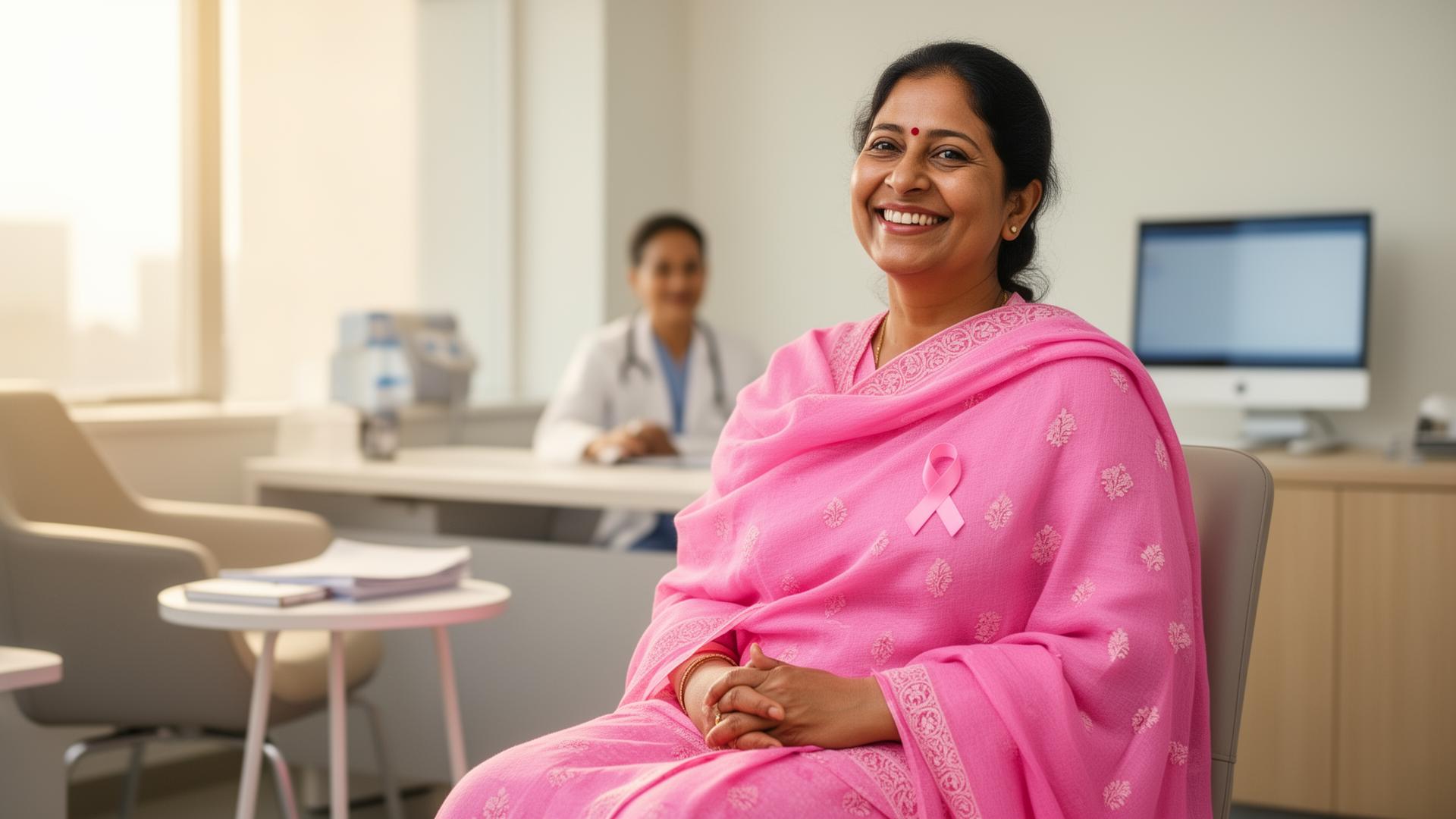
Diagnosis & Staging
Accurate diagnosis is the foundation of effective treatment
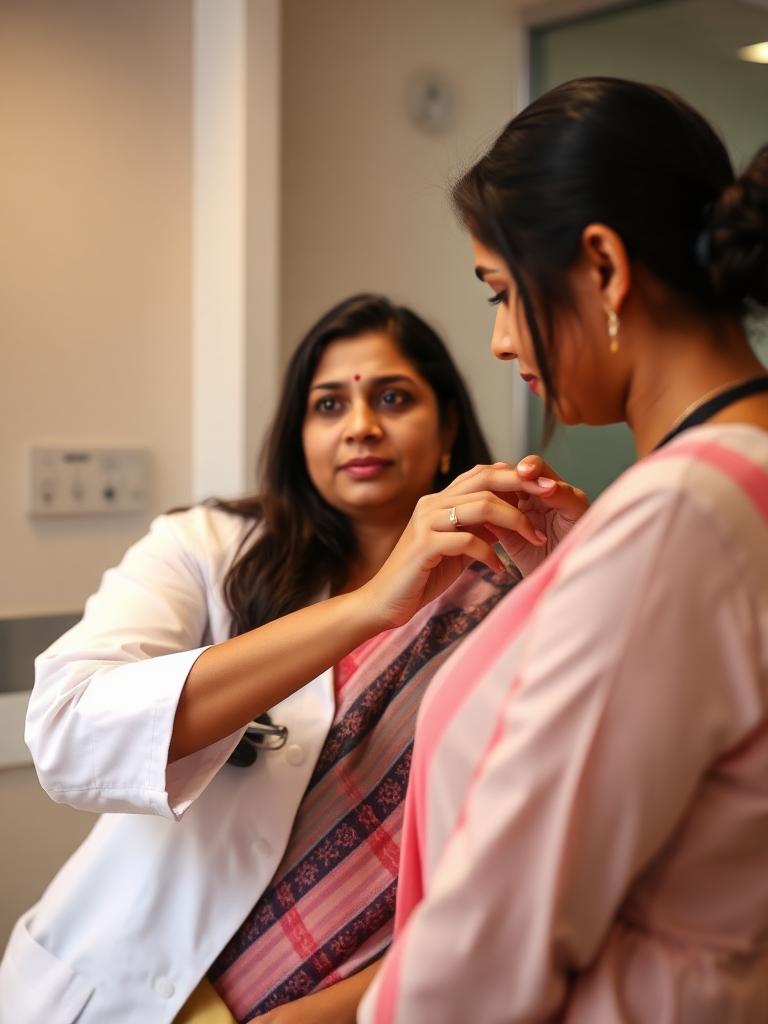
Clinical Breast Exam
A thorough physical examination of both breasts and lymph nodes to check for lumps or abnormalities.
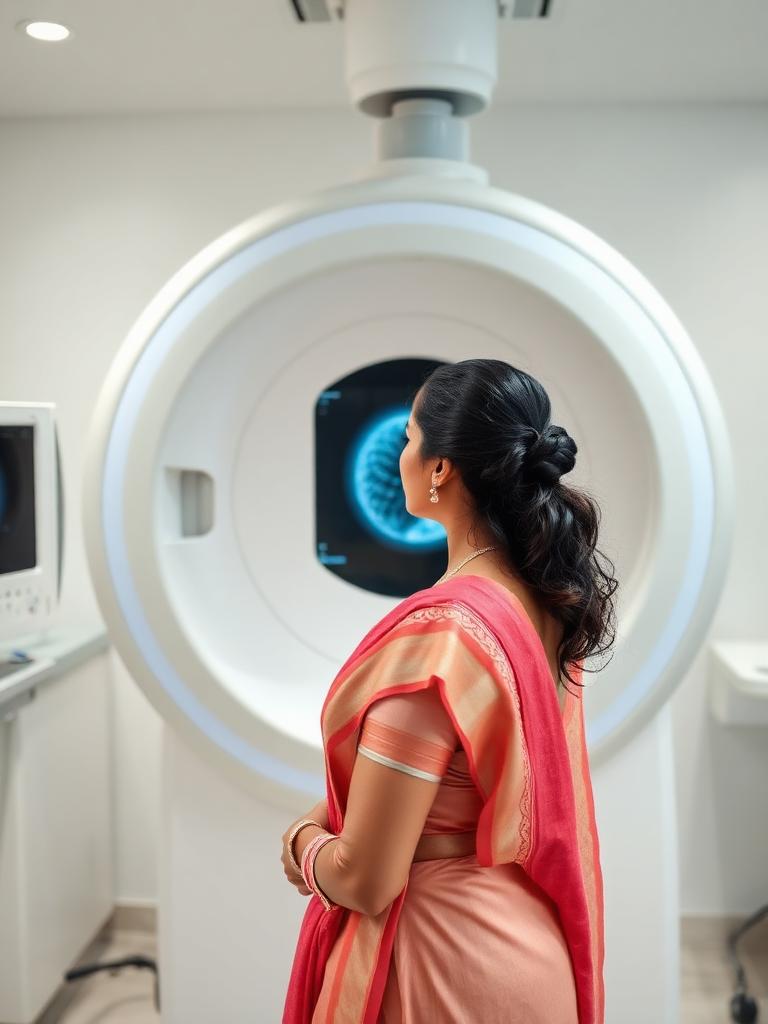
Mammogram & Imaging
Diagnostic mammography, breast ultrasound, and MRI to visualize the tumor's size, location, and spread.
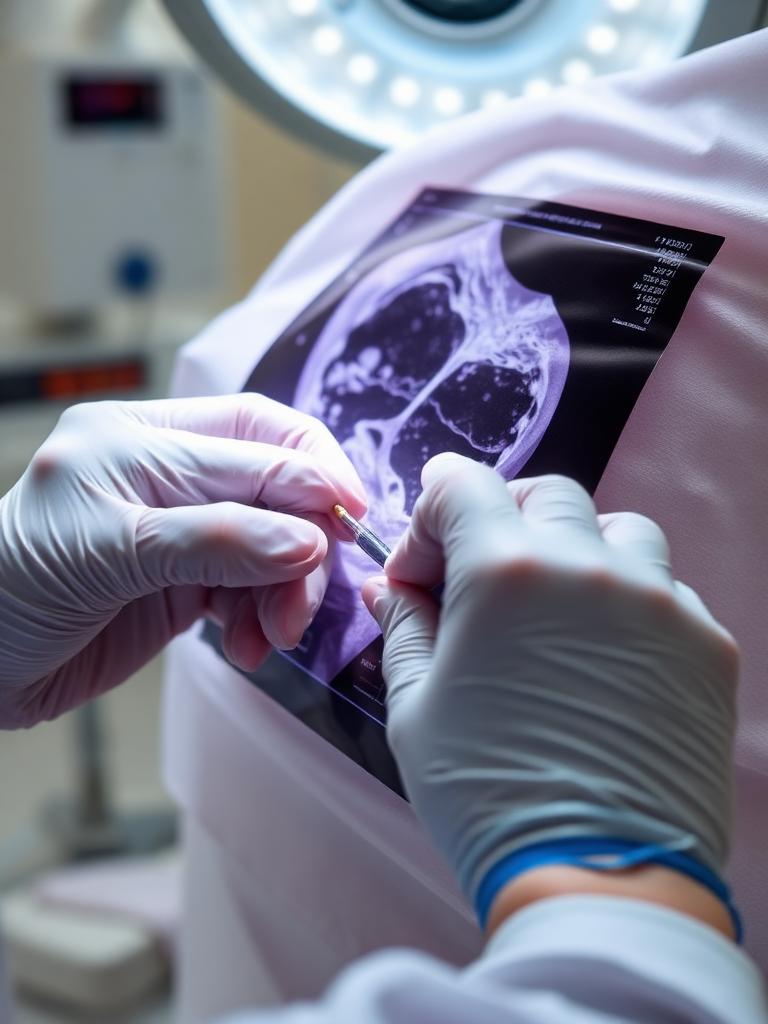
Biopsy & Pathology
Core needle biopsy to obtain tissue samples. Pathology determines cancer type, grade, and receptor status (ER, PR, HER2).
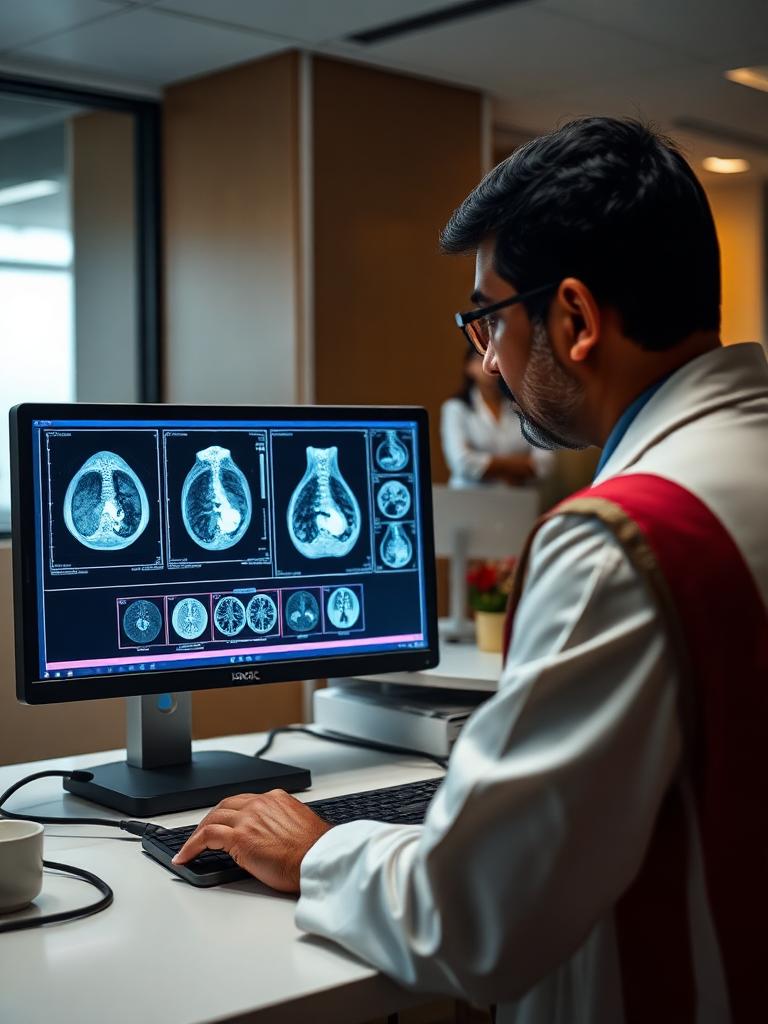
Staging & Molecular Testing
PET-CT scan and molecular profiling (Oncotype DX, MammaPrint) to determine the stage and guide treatment decisions.
Symptoms to Watch
A lump or thickening in the breast or underarm area
Change in size, shape, or appearance of the breast
Dimpling, puckering, or redness of the breast skin
Nipple discharge other than breast milk, including blood
Newly inverted nipple or flaking skin around the nipple
Persistent breast pain not related to the menstrual cycle
Risk Factors
Family history of breast or ovarian cancer
Inherited gene mutations — BRCA1, BRCA2, TP53
Age over 50 (risk increases with age)
Early menstruation (before 12) or late menopause (after 55)
Obesity, sedentary lifestyle, and excessive alcohol consumption
Prolonged hormone replacement therapy (HRT)
Treatment Approaches at Jain Oncology
Every treatment plan is tailored to your tumour biology, stage, and personal preferences.
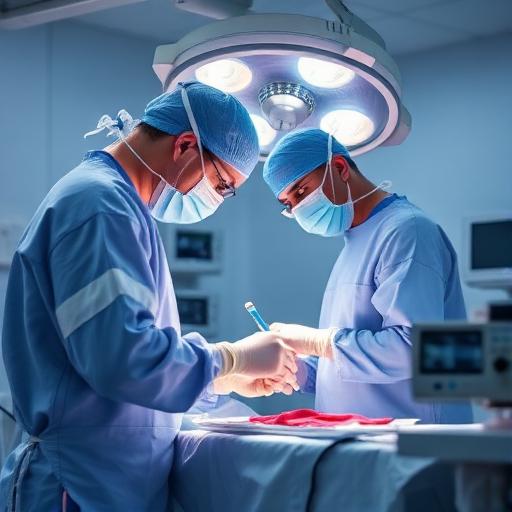
Surgery
Removing the Tumour Safely
- Breast-conserving surgery to remove only the tumour and save the breast
- Full breast removal (mastectomy) when needed for safety
- Checking nearby lymph nodes to see if cancer has spread
- Breast reconstruction options discussed before treatment
- Minimally invasive techniques for faster recovery
💡 Our surgeons focus on saving the breast whenever safely possible, while ensuring complete tumour removal.
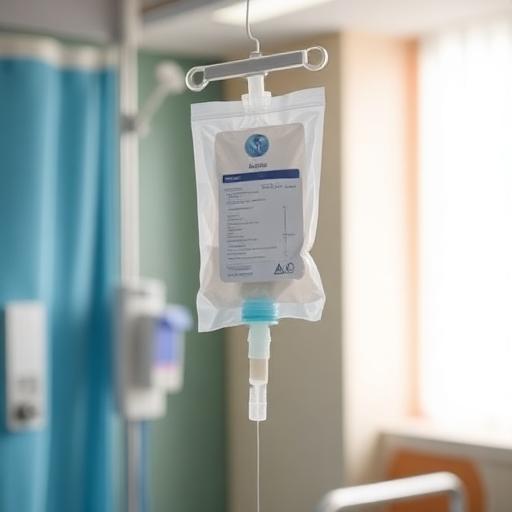
Chemotherapy
Medicines to Kill Cancer Cells
- Given before surgery to shrink the tumour for easier removal
- Given after surgery to destroy any remaining cancer cells
- Drug combinations chosen based on your specific cancer type
- Modern medicines help reduce nausea and other side effects
- Regular check-ups and blood tests during treatment
💡 Treatment is personalised to your cancer type, aiming for the best results with the fewest side effects.
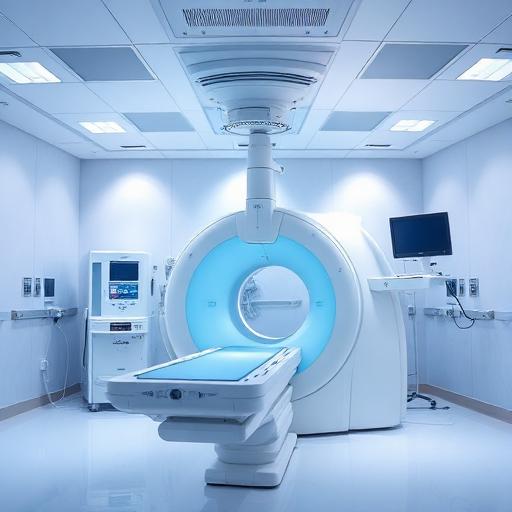
Radiation Therapy
Targeted Energy to Destroy Cancer
- Usually recommended after breast-conserving surgery
- Precisely targets the affected area to kill remaining cancer cells
- Shorter treatment courses now available with same results
- May be used after mastectomy in higher-risk cases
- Side effects are usually mild and go away on their own
💡 Delivered in coordination with expert radiation specialists using the latest technology.
Hormone Therapy
Blocking Cancer Growth Signals
- Oral medicines that block hormones which fuel cancer growth
- Used when cancer cells are sensitive to hormones (most common type)
- Taken daily for 5–10 years after main treatment
- Helps significantly reduce the chance of cancer coming back
- Regular monitoring for bone health and overall well-being
💡 Most breast cancers respond to hormone therapy, making it one of the most effective ways to prevent recurrence.
Targeted Therapy
Precision Medicines for Your Cancer
- Drugs that specifically attack cancer cells without harming normal cells
- Used for cancers with specific markers like HER2-positive
- Often combined with other treatments for better results
- Newer medicines available for advanced or returning cancers
- Genetic testing helps identify who will benefit most
💡 Targeted therapies have greatly improved outcomes, especially for HER2-positive breast cancer.
Immunotherapy
Boosting Your Body's Defence
- Helps your own immune system recognise and fight cancer cells
- Used for triple-negative breast cancer (a harder-to-treat type)
- Often combined with chemotherapy for best results
- Testing done to check if you're a good candidate
- Closely monitored throughout treatment for safety
💡 A newer treatment option that has shown promising results for difficult-to-treat breast cancers.

Coping & Support at Jain Oncology
Treatment is only part of the journey. We support you emotionally and practically at every step.
Emotional Support
Our team provides compassionate guidance throughout your journey. We connect you with counsellors and support groups to help process your diagnosis.
Family & Caregiver Support
We involve your family in the treatment process, helping them understand what to expect and how to support you effectively.
Survivorship Planning
After treatment, we create a comprehensive survivorship plan including follow-up schedules, lifestyle recommendations, and long-term monitoring.
Frequently Asked Questions
Take the First Step Toward Your Recovery
Schedule a consultation with our expert team to create your personalised breast cancer treatment plan.