

Blood Cancers
Specialised treatment for leukaemia, lymphoma, and multiple myeloma — from advanced chemotherapy to cutting-edge CAR-T cell therapy and stem cell transplantation.
15+
Years Experience
15K+
Patients Treated
10+
Countries Served
Understanding Blood Cancers
Blood cancers (haematological malignancies) affect the production and function of blood cells. They include leukaemias, lymphomas, and myelomas. At Jain Oncology, we work closely with haematologists and transplant specialists to offer the most advanced treatment options available. Our team coordinates multidisciplinary care to ensure each patient receives a treatment plan tailored to their specific blood cancer subtype, genetic profile, and overall health.

Diagnosis & Staging
Precise classification of blood cancer subtype is essential for selecting the most effective treatment approach

Clinical Assessment
Thorough physical examination checking for enlarged lymph nodes, spleen, liver, and signs of anaemia, bleeding, or infection.
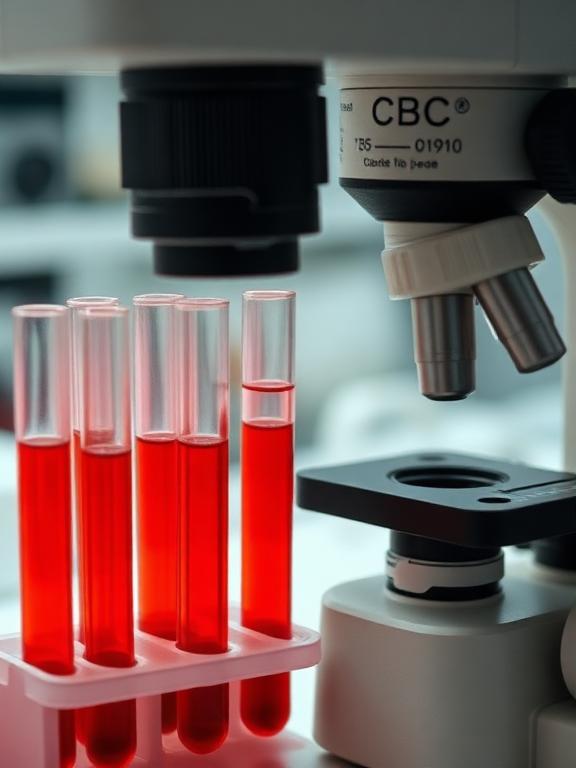
Blood Tests & Smear
Complete blood count (CBC), peripheral blood smear, lactate dehydrogenase (LDH), and other blood chemistry tests to identify abnormal cell counts and characteristics.

Bone Marrow Biopsy
Bone marrow aspirate and trephine biopsy with flow cytometry, cytogenetics, and molecular testing to precisely classify the cancer subtype.

Imaging & Molecular Profiling
PET-CT scan for staging, FISH analysis, next-generation sequencing (NGS) for prognostic markers, and MRD (minimal residual disease) testing to guide treatment intensity.
Symptoms to Watch
Persistent fatigue, weakness, and pallor (anaemia symptoms)
Frequent or severe infections that don't resolve easily
Easy bruising, prolonged bleeding, or petechiae (small red spots)
Painless swollen lymph nodes in neck, armpits, or groin
Unexplained weight loss, night sweats, and persistent fevers
Bone pain, abdominal fullness (enlarged spleen), or headaches
Risk Factors
Previous chemotherapy or radiation treatment for another cancer
Exposure to benzene, pesticides, or industrial chemicals
Genetic conditions (Down syndrome, Li-Fraumeni syndrome)
Certain viral infections (EBV, HTLV-1, HIV, HHV-8)
Family history of blood cancers or myelodysplastic syndromes
Weakened immune system (autoimmune conditions, immunosuppressive therapy)
Treatment Approaches at Jain Oncology
Every treatment plan is tailored to your tumour biology, stage, and personal preferences.

Chemotherapy
Medicines to Destroy Cancer Cells
- Proven drug combinations tailored to your type of blood cancer
- Hodgkin lymphoma has one of the highest cure rates with modern treatment
- Multiple cycles given with rest periods in between
- Modern medicines help manage nausea and other side effects
- Regular blood tests to monitor your response to treatment
💡 Blood cancer chemotherapy has some of the highest cure rates — Hodgkin lymphoma is curable in over 85% of cases.

Targeted Therapy
Precision Medicines for Your Cancer
- Daily oral medicines that can turn a serious disease into a manageable one
- Drugs that specifically block the signals cancer cells need to grow
- Often taken as pills rather than injections
- Used for leukaemia, lymphoma, and myeloma based on test results
- Genetic testing helps identify the best medicine for you
💡 Targeted medicines have turned some blood cancers from life-threatening into manageable long-term conditions.
Immunotherapy
Boosting Your Body's Defence
- Antibody-based medicines that help your immune system find cancer cells
- Now a key part of treatment for most lymphomas and myeloma
- Used when cancer returns after initial treatment
- Newer medicines showing promising results in difficult cases
- Closely monitored throughout treatment for safety
💡 Immunotherapy has become essential in blood cancer treatment, dramatically improving outcomes.
CAR-T Cell Therapy
Advanced Cell-Based Treatment
- Your own immune cells are modified in a lab to fight cancer
- Used when other treatments haven't worked
- Available for certain types of lymphoma and leukaemia
- Can achieve lasting remission in previously hard-to-treat cancers
- Delivered at specialised centres with expert monitoring
💡 CAR-T therapy offers new hope for patients whose cancer has returned after other treatments.

Stem Cell Transplant
Replacing Damaged Bone Marrow
- Using your own stem cells or a donor's to rebuild healthy bone marrow
- Standard treatment for certain leukaemias and lymphomas that return
- Gentler conditioning options available for older or less fit patients
- Family members can sometimes be donors even with partial match
- Close follow-up care after transplant to prevent complications
💡 We coordinate with leading transplant centres for seamless care from start to recovery.
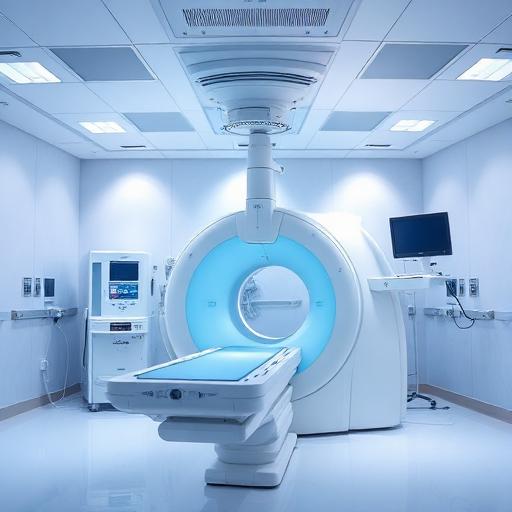
Radiation Therapy
Targeted Energy Treatment
- Precisely targets affected areas like lymph nodes or bones
- Used after chemotherapy to consolidate treatment results
- Helps relieve pain from bone damage in myeloma
- Modern techniques minimise exposure to healthy tissue
- May be part of preparation for stem cell transplant
💡 Modern radiation precisely targets cancer sites while protecting surrounding healthy tissue.

Coping & Support at Jain Oncology
Blood cancer treatment can be intensive and prolonged. We provide comprehensive support to help you through every phase of your journey.
Infection Prevention
We provide detailed guidance on reducing infection risk during treatment — including dietary precautions, hygiene practices, and when to seek emergency care for fever or symptoms.
Emotional & Family Support
Long treatment durations can be emotionally challenging. We connect you with counsellors, peer support groups, and provide family counselling to strengthen your support network.
Long-Term Monitoring
After completing treatment, we establish a comprehensive survivorship plan including regular blood tests, imaging, and screening for late effects of treatment such as secondary cancers or cardiac issues.
Frequently Asked Questions
Take the First Step Toward Your Recovery
Schedule a consultation with our expert team to create your personalised blood cancers treatment plan.